French Bulldog
A companion dog for a flat that does not need hours of exercise and likes being with people. It is also the breed where the choice of breeder matters more than in any other — a shortened muzzle means a lifelong compromise with breathing.
- Species:
- dog
- Origin:
- France
- Breeders here:
- 133
Who it suits
Someone in a flat who wants a dog beside them and does not want to run with it. The Frenchie is affectionate, cheerful and strongly oriented towards people — it copes well with children and usually gets on with other animals.
It does not suit endurance sport, all-day summer outings, or an owner who is out from morning to night. It takes solitude badly.
What it looks like
- Height: 27–35 cm at the withers
- Weight: dogs 9–14 kg, bitches 8–13 kg
- Coat: short, smooth, with no undercoat
- Colour: brindle, fawn and pied; blue, chocolate and merle are outside the standard
- Lifespan: usually 9–12 years
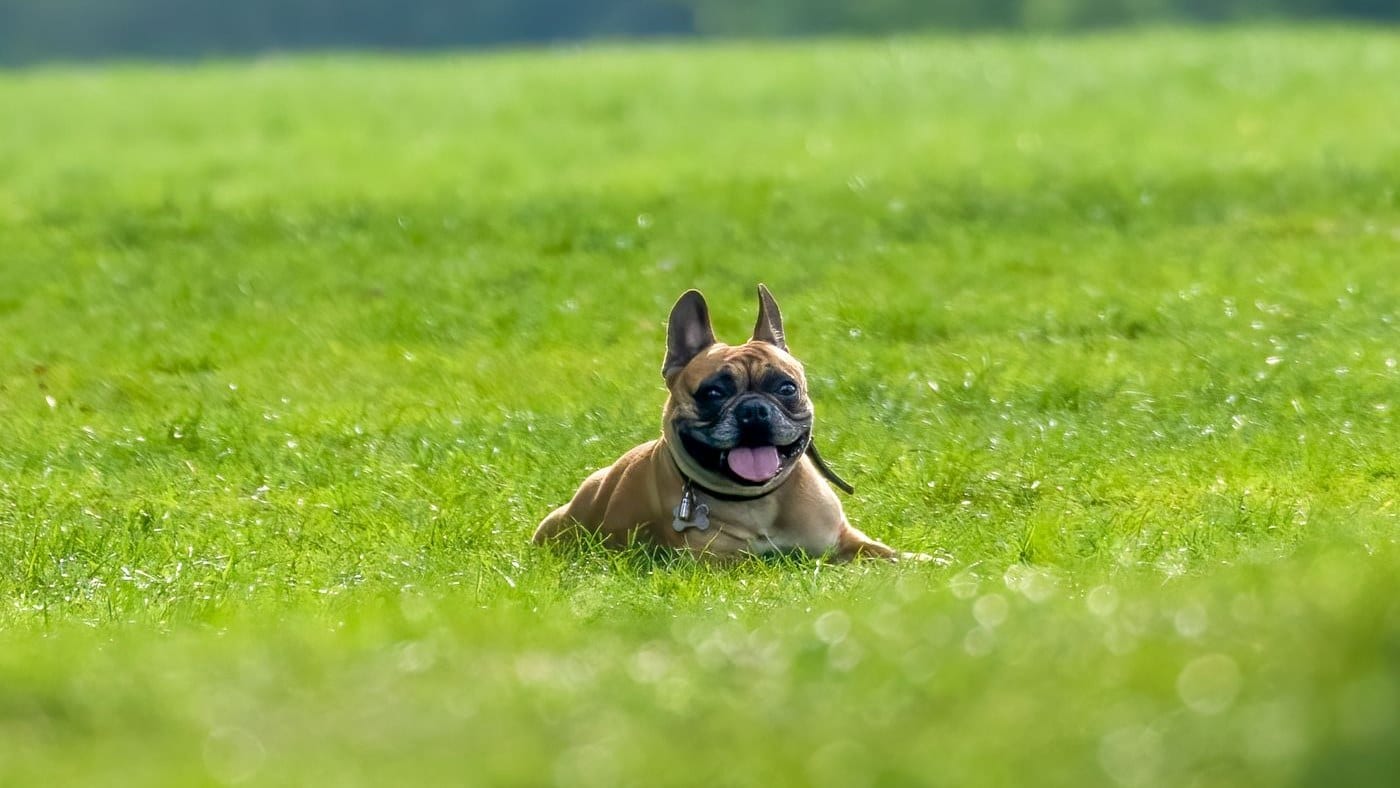
The identifying feature is the erect bat ear. A drop ear in an adult dog is a fault, not a charming quirk.
One more thing about colour, and it costs both money and health. A blue, isabella or merle Frenchie is sold at a premium as something rare. In reality these are colours outside the standard, associated with a skin condition and, in merle, with a risk of deafness and eye defects. A breeder offering them as a selling point is telling you enough about themselves.
How much exercise it needs
Two or three shorter walks a day are enough, about an hour in total. The Frenchie is not lazy — it wants to play — but it runs out of breath quickly and will not stop itself.
Do not walk it in the heat. That is the most important sentence in this article. A dog cools itself by breathing, and a Frenchie breathes through a shortened muzzle; above twenty-five degrees it overheats faster than you can react, and overheating is often fatal. In summer, walk early and late.
It cannot swim — a heavy front end and a short muzzle mean it has to be watched around water.
Training and the first months
- Time alone, in minutes, from day one. The breed attaches quickly and takes separation hard.
- A harness instead of a collar. Pressure on the throat makes breathing worse, and it is not good to begin with.
- Stubbornness is not disobedience. A Frenchie likes learning but needs short, cheerful sessions; long repetition bores it and it stops cooperating.
Feeding
An adult eats roughly 150–250 g of dry food a day in two meals. The breed puts on weight easily, and every extra kilo shows up in its breathing before it shows up in its joints.
A shortened muzzle means it picks food up awkwardly and swallows air — slow-feeder bowls and a calm setting at mealtimes make more sense here than in other breeds. Food allergies are common in Frenchies and show up mainly in the skin and ears.
Common health problems
There is no way to soften this: the French Bulldog is a health-intensive breed, and some of its problems follow directly from the way it is built.
- Brachycephalic obstructive airway syndrome (BOAS) — narrowed nostrils and an overlong soft palate. It shows as snoring, breathlessness on exertion and intolerance of heat. Some dogs need surgery. Snoring is not cute, it is a symptom.
- Vertebral malformations — so-called hemivertebrae, associated with the short screw tail. They can lead to pain and paralysis.
- Intervertebral disc disease — the breed is among the most affected.
- Skin infections in the facial folds and between the toes; the folds have to be cleaned and dried.
- Eye problems — a prominent eye is less protected, and corneal ulcers are common.
- Caesarean births are the rule in this breed, not the exception. Breeding Frenchies is therefore expensive, and a cheap puppy is a warning.
This is not a diagnostic guide. A dog that snores, becomes breathless or copes badly with warmth belongs at the vet.
Anything else to consider
In no other breed is it so true that the choice of breeder decides everything. Ask about airway assessment in the parents, about spinal radiographs, and about how often the bitch is bred. A good breeder raises all of it unprompted.
And be aware that for air travel this breed is on the list most airlines will not carry. That is not discrimination — it is because these dogs suffocate in flight.
Want one?
133 kennels here breed it. Each one has a contact and a link to its page.
Who breeds this
- AIRA FRENCHPoland
- ALI BABAPoland
- AMKORIPoland
- AVENUE DE LA BONTÉPoland
- BĄBELEKPoland
- BACUNKI MANIPoland
- BAKAMAPoland
- BLASK SZAFIRUPoland
- BŁĘKITNY SZAFIRPoland
- BŁĘKITNY UROKPoland
- BLEU DE LUXEPoland
- BLUE DRAGONSPoland
- BOULEDOQUEPoland
- BRITELLAPoland
- BRZYDALKIPoland
- BULCZA KRAINAPoland
- BULDOGI Z FERAJNYPoland
- BULDOŻKI LUNYPoland
- BULINEKPoland
- BULL TERRORPoland
- BULWY Z NIZINNEJPoland
- BUMBLEBEE BULLYSPoland
- CHAMPION DOGPoland
- CHRAPACZEPoland
- CICHY DWÓRPoland
- CLEOPoland
- CLEVER DOGPoland
- COLORED DOG LIFEPoland
- CZAJKAPoland
- CZAR BULDOGÓWPoland
- CZICZIPoland
- DAKOTAPoland
- DAMIANOWO NAD ROZLEWISKIEMPoland
- DOG'S THE SHINING DIAMONDSPoland
- DOGI DOGIPoland
- DOGS COMPANYPoland
- DOLAR AMSTAFF HOMEPoland
- DOLINA RZEKI WKRYPoland
- DOM ADI MINO IDAPoland
- DOMOWA HODOWLA DEL AMORPoland
- DYNASTIA MIZIOŁKÓWPoland
- ELITALINA BULLI FRENCHPoland
- EUKALIPTUSUSPoland
- FERAJNA Z SADOWEJPoland
- FRANCE KOBIERPoland
- FRANCUSKA GWIAZDAPoland
- FRANCUSKI RAJPoland
- FRANCUSKIE POCIECHYPoland
- FRENCH STARSPoland
- FRENCH TEAMPoland
- FRIENDLY DOGSLidzbark, Poland
- FUTRZANA EKIPAPoland
- GEORGIEPoland
- GOLD LUCKYPoland
- HAPPY DOGPoland
- HERZORPoland
- HOUSE OF PUPSPoland
- HOUSE PUPPYPoland
- KASZMIROWY ZAKĄTEKPoland
- KATIEBULLZPoland
- KENNELLANDPoland
- KLUKPoland
- KORIDOGPoland
- KOSTKAPoland
- KRAINA 100 JEZIORPoland
- LA STRADAKoszalin, Poland
- LABO FRENCHPoland
- LAVENDER LANDPoland
- LEŚNA SFORAPoland
- LEŚNY GANGPoland
- LESZCZYŃSKA KRAINA MASHAPoland
- LUZAKPoland
- M&M BULLILANDPoland
- MAKULA MARSHALLPoland
- MAMBO&SOFIPoland
- MIŁOŚĆ BULDOGAPoland
- MONDELESPoland
- MOONCATSPoland
- MYSIA ZAGRODAPoland
- NA ŁĄKOWEJPoland
- NA WZGÓRZUPoland
- NAD DIAMENTAMIPoland
- NICE DOGSPoland
- NIEBIESKA DOLINAPoland
- NIEBIESKIE MISIEPoland
- OF FRENCH KISSPoland
- POD PARKIEMPoland
- PRZYJACIEL PIESPoland
- PSIA RADOŚĆPoland
- PSIA ZAGRODAPoland
- PUPPY FOR YOUPoland
- RAFIIPoland
- RAJ AMSTAFFAPoland
- ROXANAPoland
- ROYAL LILAC EMPIREPoland
- RUDZIELCE Z BANANOWEGO RAJUPoland
- SAMBORPoland
- SAN-BULPoland
- SI MONTIPoland
- STOKROTKI POLNEJPoland
Showing the first hundred. The rest are in the breeder directory.
Breeders by region
The number shows how many breeders in the region keep this breed.
Breeders of this breed also keep
From the blog
- How to report animal crueltyA dog on a short chain with no water. A cat shut in an empty flat. Most people see something like this once and do not know who to call — and by the time they find out, they have talked themselves out of it. This guide is here so that does not happen.
- Adopting from a shelter: how it really worksFrom the first enquiry to the first week at home. Why the shelter asks so many questions, what a home check is for, and what to expect in the first three weeks.
- What the first year with a dog or cat really costsEveryone budgets for food and a bed. What breaks the budget is one item nobody expects — and costs that are not measured in money at all.