German Spitz
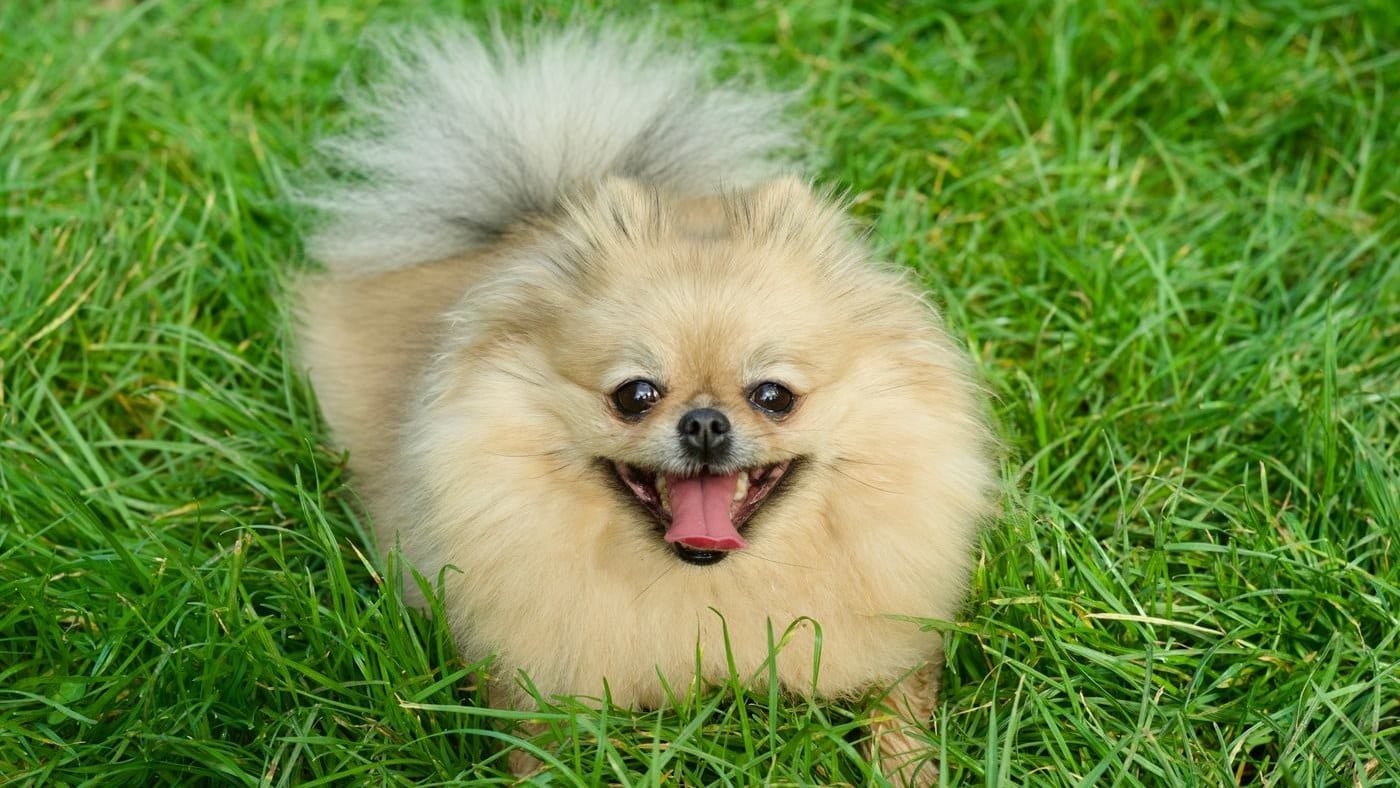
One breed in five sizes — from a Wolfspitz the size of a Border Collie down to a Pomeranian that fits in your hand. It is alert, devoted and never wanders off. It does bark, though, and that is something to deal with from puppyhood.
- Species:
- dog
- Origin:
- Germany
- Breeders here:
- 109
Who it suits
Someone who wants a dog firmly attached to home. The German Spitz is devoted to its family, reserved with strangers and almost never a wanderer — its hunting drive is weak and it does not stray far from people. That sets it apart from most small breeds.
It is sharp, learns quickly and likes having a job, so obedience and tricks suit it well.
It does not suit a home where a dog must not be heard. The Spitz is an alarm dog — that has been its job for centuries, and without training it becomes all-day barking.
Five sizes, one breed
The FCI treats all varieties as one breed. They differ in size and in permitted colours; the temperament is essentially the same.
- Wolfspitz (Keeshond): 43–55 cm — wolf grey only
- Giant Spitz: 42–50 cm — black, brown or white
- Medium Spitz: 30–38 cm
- Small Spitz: 23–29 cm
- Pomeranian (Toy Spitz): 18–22 cm, roughly 2–3.5 kg
The three smaller varieties come in more colours: black, brown, white, orange, grey-shaded and others.
The Pomeranian is not a separate breed. It is the smallest variety of the German Spitz, registered under that name in FCI countries.
What it looks like
- Coat: a long, stand-off outer coat over a dense short undercoat; a mane around the neck and trousers on the hind legs
- Tail: carried curled over the back
- Head: foxy, with small erect ears
- Lifespan: usually 12–16 years, and the smaller varieties often reach the upper end
How much exercise it needs
The smaller varieties manage on an hour a day; the Wolfspitz and Giant Spitz need closer to an hour and a half. All of them need their heads occupied more than their legs — the Spitz is clever, and boredom turns it into a barking dog.
The dense double coat is built for cold, not heat. In summer, walk early and late.
Barking — the main topic with this breed
A Spitz announces things. It announces the postman, the lift, the neighbour and a car in the street. That is not a fault of character, it is the job it was bred for.
It is handled by training from day one, not later:
- Teach a cue that ends the barking and reward quiet — do not reward the barking itself with attention.
- Do not praise the dog for raising the alarm; it cannot work out on its own which barking is welcome.
- Limit the view of the street and the hallway when the dog is alone all day.
An adult that has barked without limits for years is much harder to retrain. With a Spitz, the first year is the decisive window.
Coat care — and why a Spitz is never clipped
Brush two or three times a week, and daily while it is moulting. The double coat sheds heavily, and clumps of undercoat come out in handfuls.
A Spitz is never clipped short. Never — not even “for the summer”. In some dogs the guard coat never grows back properly after clipping, leaving only a soft, sparse undercoat with no shine. It does not cool the dog, it does not protect against sun, and it cannot be undone.
What can and should be done: comb the undercoat out regularly, trim the hair between the pads and the coat around the rear. The rest is left alone — it protects the dog from heat just as it does from cold.
Feeding
Depending on size, from 40 g for a Pomeranian to 250 g of dry food a day for a Wolfspitz, in two meals. The smaller varieties have a fast metabolism for their size and cope less well with one large meal.
Excess weight hides easily under a dense coat — the ribs have to be felt with your hand, not judged by eye.
Common health problems
The German Spitz is one of the healthier small breeds, because it has neither a shortened nose nor exaggerated proportions. A few things do come up.
- Patellar luxation — a slipping kneecap, the commonest problem in the small and toy varieties.
- Tracheal collapse — in the smallest dogs; it shows as a dry, honking cough. A harness rather than a collar is sensible.
- Alopecia X — gradual loss of coat on the body without itching, sometimes with darkening skin. Cosmetic, but it should be investigated.
- Tartar and early tooth loss — the rule in the small varieties; brushing pays off.
- Hip dysplasia — mainly in the Wolfspitz and Giant Spitz.
- An open fontanelle in very tiny puppies — the reason not to buy the smallest puppy in a litter at any price.
What to ask the breeder: whether the parents have had their knees checked, hips in the larger varieties, and what size the dogs in the line are. A breeder offering “teacup” or “mini” Pomeranians is selling a dog below the standard, and its problems along with it.
This is not a diagnostic guide. Limping, a honking cough and thinning coat belong at the vet.
Anything else to consider
A Spitz will not run away from home, but it will announce everything that happens near it. Anyone living in a flat and out all day will have trouble with the neighbours before they have trouble with the dog.
And one thing that surprises people: it sheds more than you would expect from a dog that size. Twice a year the whole double coat comes out, and in a flat that is as noticeable as after a large dog.
Want one?
109 kennels here breed it. Each one has a contact and a link to its page.
Who breeds this
- ... von Toy-HitBad Iburg, Germany
- ... von Tsu-HaiLeipzig, Germany
- ...vom BärenschlossNebra, Germany
- AGNESPoland
- ARTEMIDAPoland
- AURAPoland
- Biscuit Gold DiamondBydgoszcz, Poland
- BLACK PEARLSPoland
- BLUE JACKPoland
- BLUSZCZPoland
- BOO HOUSEPoland
- BUENAVENTURAPoland
- CHMIELIKPoland
- CHMURKI Z POMORZAPoland
- CREAMYSISIPoland
- CUORE DI CANEPoland
- DANMALLIPoland
- DENZEL-POMPoland
- DIAMOND PUPPIESPoland
- Diamond SpitzBydgoszcz, Poland
- EDEN STARS - CELEBRYTKIPoland
- ELEGANT PUPPIESPoland
- ELZA PRZY NOTECIPoland
- Exclusive-ROYAL von JeßeBuxtehude, Germany
- FLUFFY HEARTSPoland
- FLUFFY SPITZPoland
- GREMLIN INCPoland
- HANA HOUSEPoland
- HEART BEATPoland
- HODOWLA POD CHMURKĄPoland
- HYBRYDAPoland
- JL&FOXPoland
- JOPI-POMKIPoland
- JURASKIPoland
- KASZMIROWY PUCHLubycza Królewska, Poland
- KOSMATA WATAHAPoland
- KRAINA MISIPoland
- KRISAPoland
- KUDŁATE ISKIERKIPoland
- LA BELLA POMERANIANPoland
- ŁAPY NA MEDALPoland
- LEŚNE SKARBYPoland
- LEŚNY PROMYKPoland
- LISI KOSZMARPoland
- Lisi ZakątekBydgoszcz, Poland
- LITTLE LOVEPoland
- LOLA'S LEGACYPoland
- LOVE POMPoland
- MAŁE ŁAPKIPoland
- MAXIME GLORYPoland
- MIKAPoland
- MILI LANDPoland
- MONA-LISAPoland
- MY LITTLE VISIONPoland
- NIUFKOWE KĄTY BASIMAPoland
- ORANGE COUNTRYSIDEPoland
- OSI DOG'SPoland
- PIĘKOCIŃSKI LASPoland
- PIERZASTE CHMURECZKIPoland
- POLIWCZAKPoland
- POM-STARPoland
- Pom's Exquisite...Wettstetten, Germany
- POMERANIANY Z GÓRYPoland
- POMISIOWOPoland
- POMKI Z WINNEGO GRODUPoland
- POMKOWE ELDORADOPoland
- PSIA PRZYSTAŃPoland
- PSITULANKAPoland
- PUCHATE MISIEPoland
- PUCHATE OLKIPoland
- PUCHATE SERCAPoland
- PUFFTAIL KINGDOMPoland
- PUSZYSTA PRZYTULANKAPoland
- PUSZYSTA ZGRAJAPoland
- PUSZYSTE NIEDŹWIADKIPoland
- PUSZYSTY ZAKĄTEKPoland
- RAJ NA ZIEMIPoland
- RANCZO TRZEBANIAPoland
- RODZINNE SKARBYPoland
- ROYAL SWEET POMPoland
- RUBY POMBydgoszcz, Poland
- Rysiowy Gang FCIBydgoszcz, Poland
- RZEPINKA ŚNIEŻKAPoland
- San Pedro Garza GarciaLeipzig, Germany
- SMALL DIAMONDSLubań, Poland
- ŚNIEŻNE PUCHATKIPoland
- Space Pompons FCIBydgoszcz, Poland
- SPITZ DREAM HOUSEPoland
- SWEET BEARPoland
- SWEET DREAM DIAMONDPoland
- SWEET-POMPoland
- SZALONE POMPONYPoland
- SZPIC HOUSEPoland
- Teddy AngelsBydgoszcz, Poland
- TIWASPoland
- TRZY KORONYPoland
- vom Schaumburger LandBuchholz, Germany
- vom ZuchterwolfBydgoszcz, Poland
- von SamptosaCottbus, Germany
- WESOŁY DOMPoland
Showing the first hundred. The rest are in the breeder directory.
Breeders by region
The number shows how many breeders in the region keep this breed.
- mazowieckie (Poland)28
- wielkopolskie (Poland)20
- łódzkie (Poland)6
- lubelskie (Poland)5
- lubuskie (Poland)5
- zachodniopomorskie (Poland)5
- dolnośląskie (Poland)4
- podlaskie (Poland)4
- opolskie (Poland)3
- pomorskie (Poland)3
- warmińsko-mazurskie (Poland)3
- kujawsko-pomorskie (Poland)2
- Niedersachsen (Germany)2
- Sachsen (Germany)2
- śląskie (Poland)2
- Bayern (Germany)1
- Brandenburg (Germany)1
- małopolskie (Poland)1
- Sachsen-Anhalt (Germany)1
Breeders of this breed also keep
From the blog
- How to report animal crueltyA dog on a short chain with no water. A cat shut in an empty flat. Most people see something like this once and do not know who to call — and by the time they find out, they have talked themselves out of it. This guide is here so that does not happen.
- Adopting from a shelter: how it really worksFrom the first enquiry to the first week at home. Why the shelter asks so many questions, what a home check is for, and what to expect in the first three weeks.
- What the first year with a dog or cat really costsEveryone budgets for food and a bed. What breaks the budget is one item nobody expects — and costs that are not measured in money at all.