A dog or cat has gone missing: the first hours decide
What matters most happens in the first hour — and that is the hour in which people decide worst. This is a list you can work through even when thinking is not working.
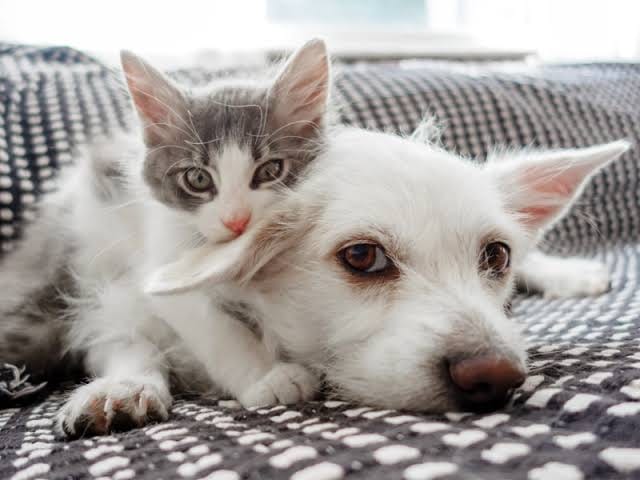
This is worth reading before you need it. In the moment an animal goes missing, nobody reads anything — and decisions get made fast and badly.
One note first. Where to report a missing animal differs from country to country, and this text will not pretend otherwise. What it does cover is everything that works the same everywhere.
The first hour
Stay where the animal disappeared. It goes against instinct, but it works better than searching in a wide circle.
- Do not run after a dog. A frightened dog runs further, and a person running behind is chasing it. Sit or crouch down, turn side-on, and talk calmly.
- Do not shout. A frightened animal will not come to shouting, even in a voice it knows.
- Leave something of yours on the spot. A blanket from the bed, a worn T-shirt, the carrier. Dogs and cats often return to a familiar smell — sometimes only after dark.
A cat behaves nothing like a dog
A dog moves away; a cat hides. A startled cat usually stays close — often within a few hundred metres — and goes into the first dark place it finds.
So look in sheds, cellars, garages, under cars, woodpiles, hedges along fences. And look in the dark and in silence: a cat that stays quiet all day may answer in the evening.
Ask the neighbours whether you can check their garden or shed. The most common ending to this story is a cat shut in somebody else's garage.
The microchip: one call worth making immediately
A chip on its own does not bring an animal back. Current contact details in the register do.
Here is the part people get wrong: there is no single European register. Most countries have their own, some have several, and a chip means nothing to a database that has never heard of it. So the question is not "is my animal chipped" but "which register is it in, and is my phone number still right there?"
If you are not sure, the vet who implanted the chip will know — they keep a record. If you moved house or changed number and never updated it, the chip is decoration.
Who to call, and in what order
- Shelters in the area — and not only the nearest one. An animal can end up two districts away if somebody gives it a lift.
- Vets in the area. A found animal is usually taken there first.
- Whoever handles stray animals where you live. In most of Europe that is the municipality, sometimes the local police or a contracted service.
Call, do not write. An e-mail gets read in two days. And call again after three days — found animals reach the records with a delay.
The advert: what belongs in it
- A photo showing the whole animal, plus one close-up.
- Where and when it went missing.
- A phone number.
And now the part usually done wrong: do not put everything in.
- Do not publish the chip number. It is no use to anyone who genuinely found the animal — a vet reads it themselves.
- Do not name a reward amount. A number in an advert attracts people who have never seen the animal.
- Keep one identifying mark to yourself. A white patch on a back paw, a scar, an oddly shaped ear. That is how you tell whether the caller is actually looking at your animal.
Expect the scammers
Adverts about missing animals are watched by people who know they are writing to someone in the worst state they have been in for years. You can recognise them by three things:
- They want money up front — for transport, for a vet, as a deposit.
- They claim to be far away and unable to meet.
- They will not send a photo or describe the mark you kept to yourself.
Never send money in advance. Hand over any reward in person, with the animal already in your arms.
Do not give up after a week
Animals come back after months. Leave the advert up, keep calling the shelters, and keep the register details current.
What to do while everything is calm
- Keep current photos — the whole body from the side, and a close-up of the head. Last year's blurred picture is useless in an advert.
- Check which register your animal is in and whether the phone number there is yours.
- Know where the nearest shelters are and what their number is.
Ten minutes today. On the day it matters, there is no time for any of it.
From the blog
- How to report animal crueltyA dog on a short chain with no water. A cat shut in an empty flat. Most people see something like this once and do not know who to call — and by the time they find out, they have talked themselves out of it. This guide is here so that does not happen.
- Adopting from a shelter: how it really worksFrom the first enquiry to the first week at home. Why the shelter asks so many questions, what a home check is for, and what to expect in the first three weeks.
- What the first year with a dog or cat really costsEveryone budgets for food and a bed. What breaks the budget is one item nobody expects — and costs that are not measured in money at all.